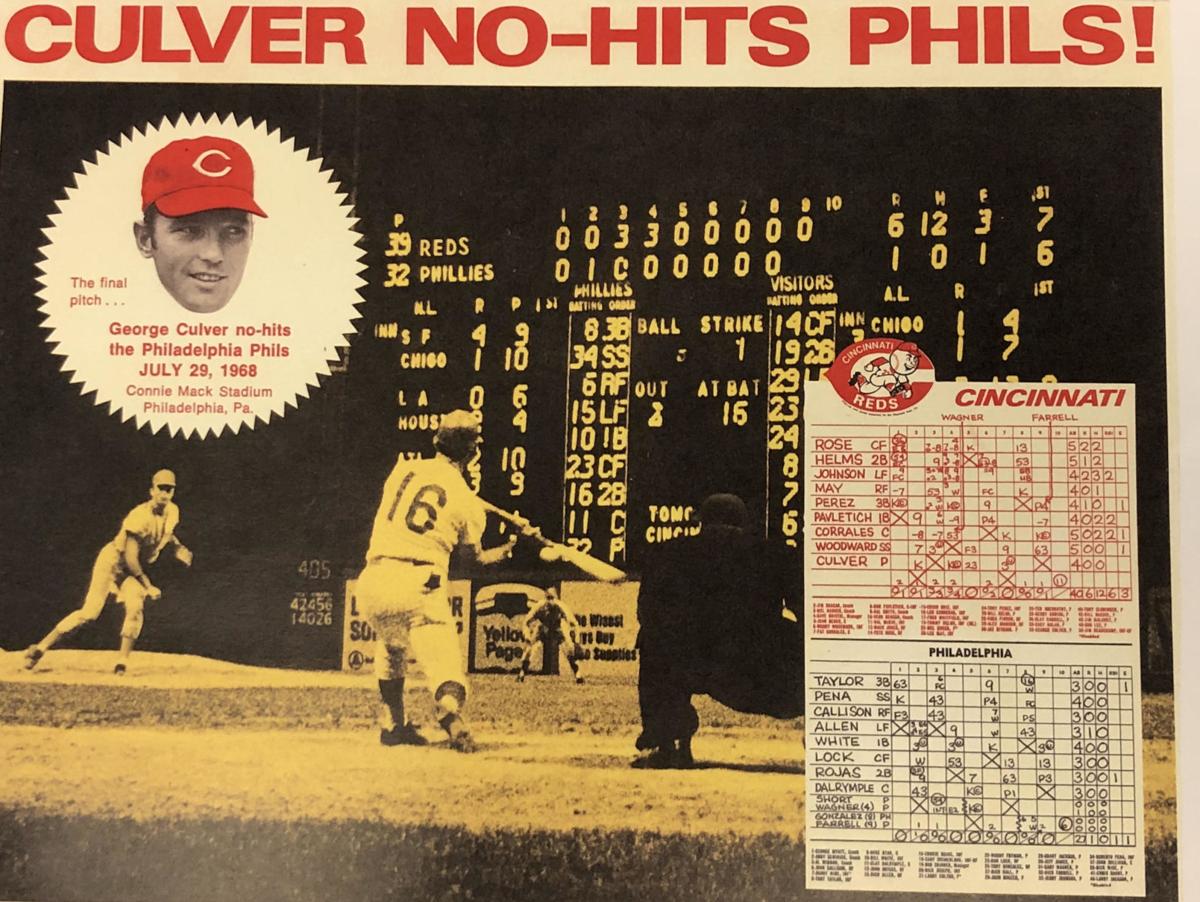
Pitcher’s premonition comes true against Philadelphia July 29, 1968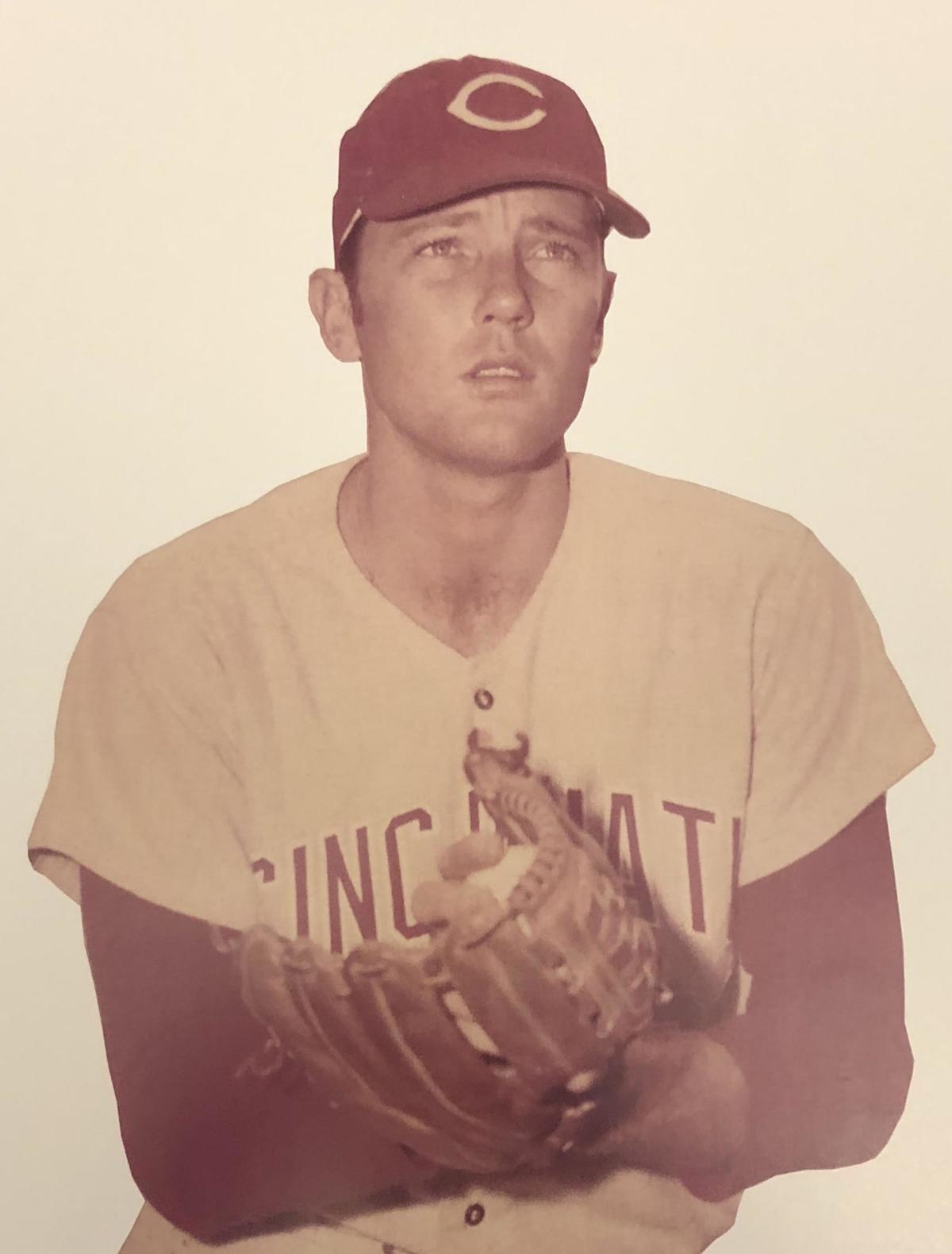
Fifty years ago, Reds pitcher George Culver pitched a no-hitter against the Philadelphia Phillies. It was one of the more improbable no-hitters thrown in the big leagues.
It was not improbable because of Culver’s ability; despite his claims that he was a “mediocre” pitcher (he pitched in the majors for nine years, after all) but because of the back story that accompanies it.
On Monday, July 29, 1968 the Reds played a twi-night doubleheader – remember those? — at Connie Mack Stadium. George was scheduled to pitch the second game, against Chris Short.
He didn’t feel well – “one of those days where you just can’t digest any food” – so he stayed at the team hotel during the first game.
“And that game, of course, took forever [final score 7-6 in 2:58]” he said.
Finally, he took a cab to the ballpark, and for reasons he can’t explain, he told the cab driver that he would throw a no-hitter in Game 2.
“Just a premonition, for some reason,” he said. “I had it all day. I think the Good Lord was just talking to me, saying ‘hey, look. This is your day. Don’t screw it up.’”
When he got to the park, a troublesome ingrown toenail made warming up impossible. So he went to trainer Bill Cooper for treatment, which ended up being a shot of Novocain to numb the toe.
“By the time I got through with all that, the umpires were out [to start the game]. So I grabbed a catcher and only had time for about 15 warmup pitches.”
Despite all that, Culver took the mound for the first inning, telling himself to take it easy so he wouldn’t hurt his arm.
The team behind Culver was not one that would inspire thoughts of a no-hitter. There were plenty of great bats in the Reds’ lineup, but as I told George, if ever there was a second-game-of-a-doubleheader lineup, this was it:
Pete Rose CF
Tommy Helms 2B
Alex Johnson LF
Lee May RF
Tony Pérez 3B
Don Pavleitch 1B
Pat Corrales C
Woody Woodward SS
George Culver P
And sure enough, that defense was tested in the second inning, when Richie Allen hit a ground ball to Tony Pérez at third base.
“I love Tony, but he was not a third-baseman,” Culver said. “He was a first-baseman. The ball was a little bit to his left, and it ricocheted off him to Woody Woodward at short, and he threw the ball into the stands.”
Culver figured that with Allen hitting in his home park, the play would surely be ruled a hit; it wasn’t. Pérez and Woodward received errors on the play, as Allen took second base.
“Well, they’ll change that later,” Culver thought. Allen eventually scored on a sacrifice fly by Cookie Rojas, and Culver and the Reds trailed 1-0.
I think the Good Lord was just talking to me, saying ‘hey, look. This is your day. Don’t screw it up.’ — Culver, about his no-hitter premonition
Culver pondered the possibility of pitching a no-hitter and losing the game. But the Reds scored six runs in the next two innings as George settled in and his arm was ready.
“I really don’t remember one tough play for the rest of the game,” Culver told me. “And they never changed Allen’s ball to a hit.”
“I didn’t strike out that many [four]; I never did,” Culver said. “In the eighth inning, Richie Allen hit a sharp ground ball to my roommate, Tommy Helms. I thought it was a hit, but Tommy had him played just right.”
“That was the only ball I can remember being hit hard the whole night.”
Hits were not a problem, but walks were. Culver walked five Phillies, including the first two hitters in the eighth inning.
Out of the dugout came manager Dave Bristol “to chew me out,” Culver said.
‘Do you want to finish this game?” Bristol barked.
“Yeah,” Culver said.
“Well, if anyone else gets on, you’re coming out. This is your last hitter if that happens. You better start throwing strikes.”
Culver then retired the Phillies in order.
And how was the ninth inning, with all the excitement and pressure?
“There were about 1,000 people left at the game; it was about 1:00 in the morning,” Culver recalled. “The people who were left hung around by our dugout, rooting for me.”
Culver retired Bill White and Don Lock to begin the ninth inning, then had to face Cookie Rojas to get the no-hitter.
“Cookie had been my manager in winter ball the year before, and was one of my best friends,” Culver said. “I said to myself, ‘Come on, Cookie. Don’t screw this up, please!’”
“Fortunately, he popped up to Don Pavletich at first base. I could have caught the ball, I was so excited, jumping up and down.”
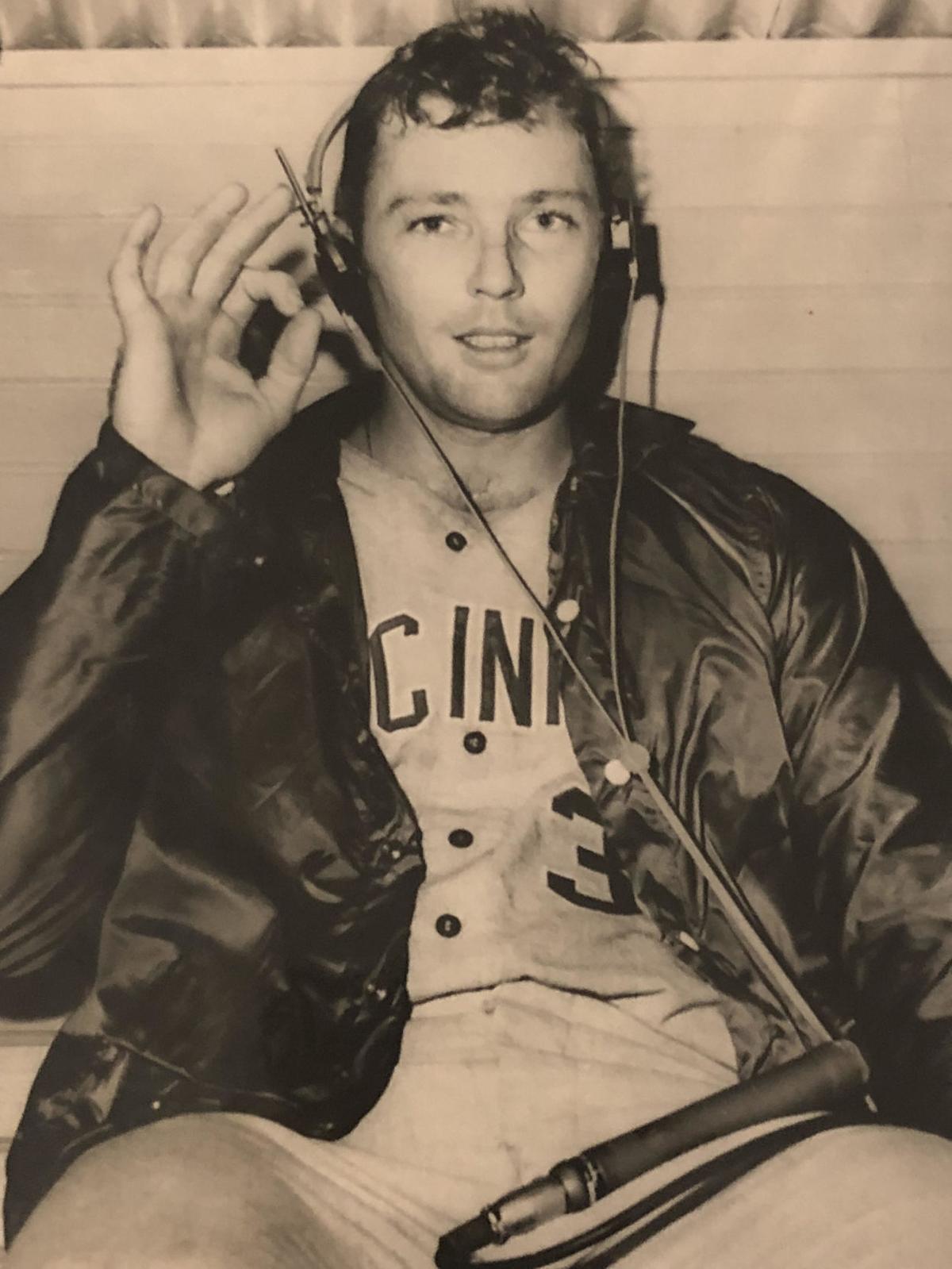
Culver received a $1,000 raise from the Reds, but that wasn’t the best benefit from the no-hitter.
“When I got back to Cincinnati, they had a day for me. One of the fans paid for my mom and stepdad to come back for the ceremony.
“It was a big thrill for me, because she worked all the time and had never seen me play any game of any kind until I was in the big leagues with the Reds.”
And the irony of the no-hitter was not lost on Culver.
“The game before, Clay Carroll and I combined on a 13-hit shutout against Pittsburgh,” he laughed. “And the next game, I got beat 1-0.”
“That’s how screwy baseball is.”
Maybe so, but there was nothing screwy about George Culver’s performance July 29, 1968.
It was not, however, his greatest thrill in baseball.
“My greatest thrill was seeing my name on that locker every day for nine years,” “Now that was a thrill!”